Wearable Technology Optimization: Must-Have Tips for Best Performance
Wearable technology optimization is essential for getting the most out of your smart gadgets, whether it’s a fitness tracker, smartwatch, or health monitor. As these devices become increasingly integrated into our daily lives, optimizing their performance ensures accuracy, longevity, and seamless user experience. In this article, we explore key strategies to enhance your wearable technology’s functionality and reliability, helping you maximize the benefits of your investment.
Understanding Wearable Technology Optimization
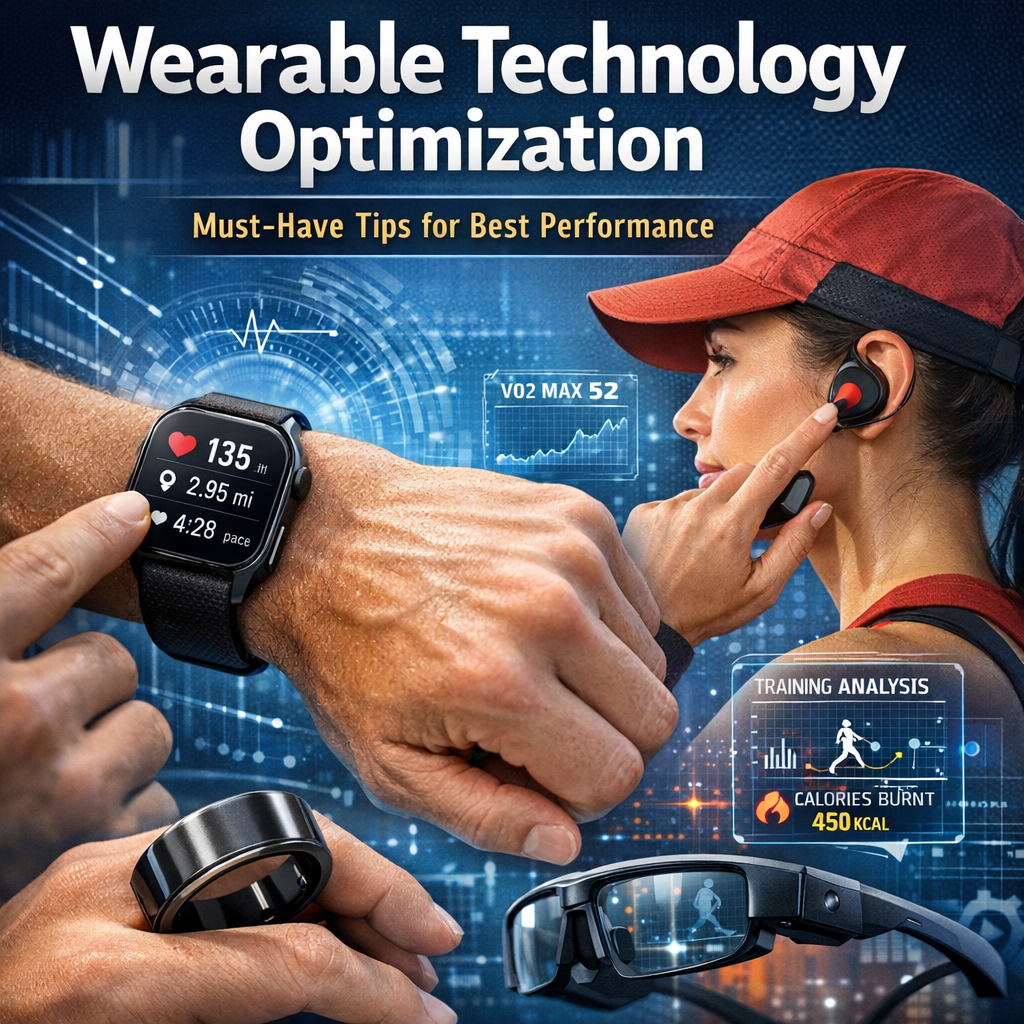
Wearable devices gather data related to health, activity, and environment, relying heavily on sensors and software to provide valuable insights. However, their effectiveness depends on proper setup, maintenance, and usage habits. Wearable technology optimization involves fine-tuning settings, updating software, and adopting best practices to ensure your device performs at its highest potential.
Keeping Firmware and Software Up-to-Date
One of the simplest yet most important steps for wearable technology optimization is regularly updating the device’s firmware and companion apps. Developers frequently release updates that fix bugs, enhance features, and improve battery efficiency. Ignoring these updates can result in suboptimal performance or even security vulnerabilities.
– Check for Updates Weekly: Most wearables notify users of available updates, but proactively checking your device and app can prevent missed improvements.
– Enable Automatic Updates: If your device supports it, automatic updates save time and ensure continuous optimization without manual intervention.
Properly Calibrating Sensors for Accuracy
Wearable gadgets rely on various sensors like accelerometers, heart rate monitors, and GPS trackers to capture data. Calibration helps maintain the accuracy of these sensors, which can drift over time or due to wear and tear.
– Follow Manufacturer Guidelines: Many devices include specific steps to calibrate sensors or reset them if data seems off.
– Recalibrate After Firmware Updates: New software versions might affect sensor performance, so recalibration ensures consistent results.
– Wear Devices Correctly: Fit and position impact sensor readings. For instance, a loosely worn fitness band can yield inaccurate heart rate measurements.
Optimizing Battery Life for Longer Use
Battery management is crucial to wearable technology optimization. Limited battery life can disrupt your tracking or communication, especially during important activities like workouts or travel.
– Use Power-Saving Modes: Many devices offer modes that disable less critical functions to extend battery life.
– Manage Notifications: Reducing unnecessary notifications and vibrations conserves power.
– Turn Off Unused Features: GPS, Bluetooth, or Wi-Fi connectivity can drain batteries quickly if left active without need.
– Charge Regularly but Smartly: Avoid letting your device’s battery run completely flat regularly. Instead, charge it before it drops below 20% for better battery health.
Syncing Data Efficiently
Consistent and timely syncing of wearable devices with their companion apps is vital for data integrity and timely updates.
– Schedule Regular Syncs: Set specific times to sync data, especially after workouts or health checks.
– Use Reliable Connections: Bluetooth and Wi-Fi should be stable to prevent data loss or duplication.
– Clear Old Data Periodically: Some devices may slow down if memory fills, so archive or delete outdated data for smooth operation.
Personalizing Wearable Settings
Tailoring device settings to your habits and preferences can significantly enhance user experience and accuracy.
– Input Accurate Personal Information: Age, weight, height, and fitness levels influence metrics such as calorie counting and heart rate zones.
– Set Realistic Goals: Many devices allow customization of targets like step counts, sleep hours, or workout milestones—which drives motivation and data relevancy.
– Adjust Sensitivity Settings: For activities like sleep tracking or workout intensity, modifying sensitivity can yield more meaningful results.
Maintaining Device Hygiene and Physical Care
Physical maintenance plays a surprisingly important role in wearable technology optimization. Dirt, sweat, and environmental factors can impair sensors or damage the device.
– Clean Devices Regularly: Use soft cloths and recommended cleaning agents to remove grime, especially around sensors.
– Avoid Extreme Conditions: Excessive heat, moisture, or impact can degrade components.
– Replace Bands or Accessories as Needed: Worn-out straps can affect comfort and sensor contact.
Leveraging Third-Party Apps and Tools
Expand your device’s capabilities by integrating with trusted third-party applications.
– Explore Compatibility: Some wearables work with specialized fitness or health apps that provide advanced analysis.
– Use Data Export Features: Exporting data for professional review or personal records can enhance long-term value.
– Automate Routines: Certain apps automate tasks like adjusting settings based on location or activity type.
Conclusion
Optimizing wearable technology requires a blend of routine care, smart usage, and customized configurations. By keeping software updated, ensuring sensor accuracy, managing battery life, syncing data properly, personalizing settings, and maintaining physical cleanliness, you can unlock the full potential of your device. Whether you rely on wearables for fitness, wellness, or productivity, these tips will help maintain peak performance and deliver reliable, precise data every day. Embrace these wearable technology optimization strategies to enhance your digital lifestyle confidently and comfortably.