Electronics Comparison Checklist: Your Must-Have Guide for Best Buys
When it comes to shopping for gadgets and devices, an electronics comparison checklist can be the ultimate tool to help you make smart decisions. With the rapid advancements in technology and the overwhelming number of options available, choosing the best electronic product can be confusing and time-consuming. Whether you’re buying a new smartphone, laptop, TV, or home appliance, having a clear set of criteria to compare products makes a huge difference. This guide will walk you through the essential components of an electronics comparison checklist to ensure you get the best value for your money.
Why You Need an Electronics Comparison Checklist
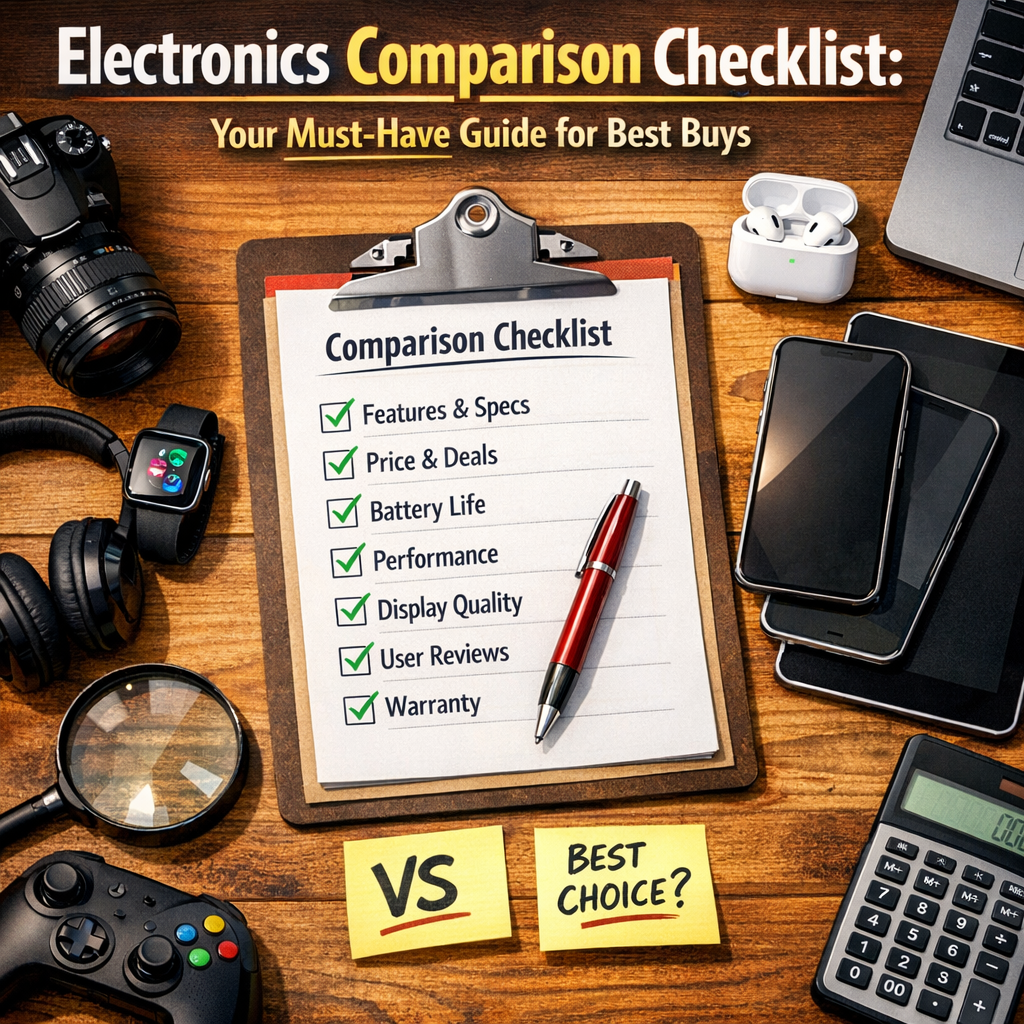
Buying electronics isn’t just about picking the cheapest or the most visually appealing product. It involves understanding your specific needs, comparing technical specifications, and evaluating customer feedback. An electronics comparison checklist helps you stay organized and objective during your purchase journey. It prevents impulse buying and minimizes the risk of regret.
By using a structured approach, you are more likely to find a product that fits your lifestyle, budget, and expectations. Additionally, the checklist approach is especially useful when you’re considering multiple items or brands, empowering you to easily spot differences and similarities.
Key Elements of an Electronics Comparison Checklist
Creating an effective electronics comparison checklist involves identifying what features and factors matter most to you. Although criteria can vary between product categories, some universal elements apply across most types of electronics.
1. Purpose and Usage Requirements
Before hunting for specific products, clarify how you will use the device. Ask yourself:
– What tasks or functions do I need it for?
– How frequently will I use it?
– Do I require portability, durability, or specialized features?
Defining these parameters helps focus your search and tailor the checklist to relevant specs.
2. Technical Specifications and Performance
This is the heart of any electronics comparison checklist. Evaluate and note down specs such as:
– Processor speed and type (for computers and smartphones)
– Display size, resolution, and technology (LCD, OLED, etc.)
– Storage capacity and memory
– Battery life and charging options
– Connectivity features like Wi-Fi, Bluetooth, and ports
By comparing these features side by side, you can select models that offer the highest performance within your budget.
3. Build Quality and Design
The physical construction and aesthetics influence both the durability and user experience. Check materials used, ergonomic design, weight, and overall build quality. Well-built products may cost more upfront but provide better longevity and satisfaction.
4. Brand Reputation and Customer Reviews
Researching brand reliability is crucial. Some companies consistently deliver high-quality electronics and robust customer support, while others might have a spotty track record. Read genuine user reviews and ratings to uncover common issues or praises.
5. Price and Warranty
Price is a major deciding factor, but it shouldn’t be the sole criterion. Compare the price relative to features and quality. Also, look into warranty periods and after-sales services. A product with a solid warranty can save you costs and frustration if something goes wrong.
6. Energy Efficiency and Environmental Impact
More consumers are now conscious about sustainability. Check the energy ratings and eco-friendly certifications of electronics, which can reduce electricity bills and lessen environmental impact.
7. Additional Features and Accessories
Sometimes added perks—like bundled accessories, software, or smart integrations—can boost the value of an electronic product. Don’t overlook these extras when making comparisons.
How to Use Your Electronics Comparison Checklist
Once you compile your checklist, apply it when browsing online stores or physical shops. Create a simple spreadsheet or use productivity apps to track scores or notes for each item. This way, you visualize which products score highest on your criteria.
For example, if you’re shopping for a new laptop, you might list brands/models on the left column and features/specifications across the top row. Fill in the details and then rank or highlight those that best meet your priorities.
Electronics Comparison Checklist for Different Product Categories
Different gadgets need some tailored checklist items. Here are quick tips for popular categories:
– Smartphones: Camera quality, OS version, update support, and network compatibility.
– Televisions: Screen size, smart features, refresh rate, HDR support, and sound quality.
– Laptops: CPU, RAM, graphics card, battery life, keyboard comfort, and ports.
– Home Appliances: Energy rating, noise level, capacity, and smart connectivity.
Adapting the checklist according to product type helps refine the decision process further.
Final Thoughts: Empower Your Purchase Decisions
An electronics comparison checklist is more than just a buying tool—it’s a way to become an informed consumer in a fast-evolving market. By systematically comparing specs, prices, and reviews, you empower yourself to make purchases that truly fit your needs and budget. The right device can simplify your life, enhance productivity, and provide lasting enjoyment.
Next time you’re about to invest in an electronic gadget, take the time to create your checklist. You’ll save time, avoid buyer’s remorse, and confidently bring home the best technology for you. Happy shopping!